

Thank you for donating your time, energy, and resources to volunteer for End Workplace Abuse and The Workplace Psychological Safety Act.
By joining our growing campaign, you offer hope:
- Hope for those who currently suffer from abuse at work and feel isolated and minimized
- Hope for those who fear moving to another toxic workplace without employer accountability
- Hope for those in the aftermath who have no road to justice
- Hope for those who feel alone and misunderstood in the healing process
- Hope for yourself knowing psychologically safe work environments are within our reach if we stand in our personal and collective power to create change
We offer advocates:
- Training and financial support for introducing the Workplace Psychological Safety Act in their state.
- Strategy, base-building, marketing, volunteer management, fundraising, expert and high-profile advocates recruitment and coalition-building on the national level.
- Tools to collect email addresses and build state teams.
- Connection through quarterly progress reports with breakout rooms.
an overview of end workplace abuse
What is End Workplace Abuse (EWA)?
We believe America’s workers have a right to safe workplaces where their psychological health is recognized as a vital component of overall well-being. All people — regardless of their gender, race, color, national origin, class, ability, sexual orientation, gender identity, age, size, income, faith, religion, and political affiliation — deserve to lead healthy and productive lives and to work in safe environments free from abuse and oppression.
We are a volunteer-led and volunteer-driven corps of advocates for workers’ rights and psychological safety in the workplace. Most of us are survivors of the psychosocial hazard of workplace bullying and the institutional complicity of disregarding workplace bullying complaints. Millions of Americans are impacted by psychologically unsafe workplaces, and among them are inspired people who seek justice. We work collaboratively to build a network spanning the U.S..
End Workplace Abuse is a tool for advocates to voice their support for psychologically safe work environments and other workers’ rights bills. It is also a platform to partner with other organizations fighting employer abuse and safeguarding workers’ rights.
The Workplace Psychological Safety Act (WPSA)
Workplace psychological abuse is employee exploitation. Employers are not explicitly liable for the psychological harm of their employees — nor do they want to be. At its root cause is avoidance of employer liability. The status quo, employers are negatively incentivized to address the issue even if they claim to value safe workplaces. Employers choose to avoid a perceived threat of liability over human well-being.
The WPSA:
- Provides a cause of action for employees who suffer from workplace psychological abuse
- Requires employers to address psychological safety
It does NOT require proof of intent or health harm as other bills do, making it in line with sexual harassment law.
How we’re structured
We are a 501(c)(3) and a 501(c)(4). Members are listed below. Feel free to reach out to a contact if you’d like to help in their area.
LEADERSHIP team
Chief Executive Officer
Deb Falzoi, dfalzoi2@gmail.com
The general role of the executive director is to organize expansion efforts around our mission and vision.
Responsibilities:
- Manage day-to-day operations.
- Lead the national team.
- Build teams.
- Set strategy and direction.
- Direct marketing and promotion.
- Raise funds and manage finances.
Chief Legislative Officer
Deb Falzoi, dfalzoi2@gmail.com
The Chief Legislative Officer develop and oversee the national legislative strategy to pass the Workplace Psychological Safety Act.
Responsibilities:
- Develop recruitment strategy for state teams members and new state teams.
- Train team leads on such areas as organizing, legislative strategy, working with volunteers in a trauma space, coalition-building, and the bill.
- Coach team leads throughout the process.
- Understand and address team leads’ changing needs through training, coaching, and counseling.
- Oversee state and city legislative teams.
- Promote state team activity through social media and email.
Chief Communications Officer
Deb Falzoi, dfalzoi2@gmail.com
The Chief Communications Officer is responsible for developing and executing a media strategy for End Workplace Abuse to raise public awareness, shape the narrative around workplace psychological safety, and amplify the campaign’s message across all media channels.
Responsibilities:
- Develops and leads a comprehensive media strategy that supports advocacy goals and increases public visibility of End Workplace Abuse.
- Align messaging across campaigns and media.
- Oversees the media team.
Chief People Officer
TBA
The Chief People Officer on-boards and trains new volunteers on the vision and mission of the organization and its norms and policies
Responsibilities:
- Develops a plan to onboard volunteers.
- Trains volunteers on the organization and its norms and policies.
- Oversees the DEI team.
- Creates a plan to ensure psychological safety once volunteers are on board, including periodically surveying volunteers and implementing changes.
- Responds to bullying complaints.
- Spotlights volunteers for social media and other platforms to recognize volunteers who contribute to our mission.
Chief Safety Officer
David Daniels, david@id2-solutions.com
The Safety Director is responsible for oversight of the End Work Abuse Safety Management System with a primary goal to protect the health and safety of all team members, volunteers, and participants during organizational activities and operations.
Responsibilities:
- Develops and implements safety protocols and supports the organizational safety culture during public actions, meetings, events, and online engagement.
- Coordinates response plans and provides safety briefings and de-escalation resources as needed.
- Serves as a point of contact for any safety concerns raised by members of the team or public participants, including abuse reports.
- Experience:
- At least one year of experience in risk management, safety coordination, crisis response, or a related field.
Spokesperson
Kim Williams, kwilli1029@gmail.com
The Earned Media Director/Spokesperson is responsible for generating earned media in print, radio, television, blogs, podcasts, and other media.
Responsibilities:
- Promotes End Workplace Abuse and the Workplace Psychological Safety Act to reporters in print, radio, and television as well as and in blogs, podcasts and other media.
- Develops media hooks.
- Identifies reporters to pitch.
- Pitches reporters in a timely manner.
- Connects reporters with advocates and experts.
STate teams
Since our main focus is to pass legislation, we’re finding a lead sponsor and working on base-building in each state. (We’re also working on a federal bill, but it’s a harder hurdle.) To join our movement as a state bill director or state team member, email info@endworkplaceabuse.com. We will connect you with the state bill director(s) in your state or let you know how to start an effort in your state.
State Bill Directors
The State Bill Director is responsible for building up and steering the direction of the state team with coaching with the ultimate goal of passing the Workplace Psychological Safety Act. This role is a long-term role, with the expectation it will take at least 10 years to pass a bill.
Responsibilities:
- Recruits, vets, and manages volunteers.
- Directs the state bill strategy, including identifying a state legislator(s) to introduce the bill (lead sponsor).
- Keeps in touch with lead sponsors’ staffers for strategy and understanding of the legislative process.
- Grows a base of volunteers/supporters through marketing tactics.
- Partners with like-minded organizations.
- Organizes actions around the strategy.
State Team Members
State Team Members are responsible for progressing the state team with coaching with the ultimate goal of passing the Workplace Psychological Safety Act.
Responsibilities:
- Partners with like-minded organizations for endorsement and joint actions.
- Organizes creative direct actions and Lobby Days around the strategy to bring attention to the issue.
- Markets the Workplace Psychological Safety Act using End Workplace Abuse’s digital tools.
ways you can help
- Write lawmakers about the Workplace Psychological Safety Act.
- Write lawmakers about other workers’ rights bills.
- Sign the petition.
- Follow us on social media and share our posts. Find the links above.
- Lead.
- Learn other ways to take action.
resources
- Basics of workplace abuse
- Options after workplace abuse
- Know your rights
- Stories
- Trauma training
- Resources for navigating and healing from workplace abuse
- The overlap of workplace abuse and discrimination:
Women of color fact sheet
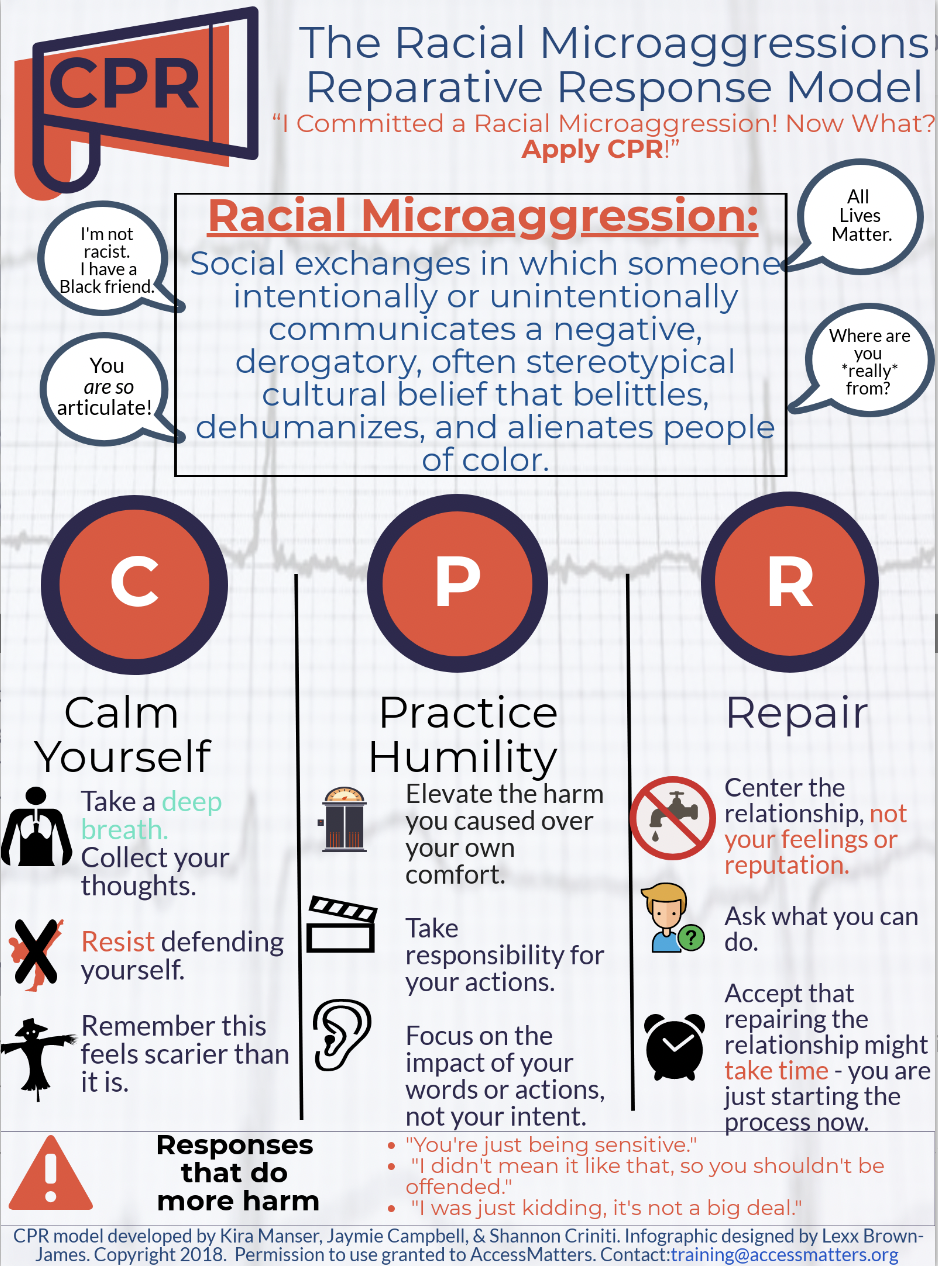
CPR: The Racial Microaggressions Reparative Response Model
Strategies To Support End Workplace Abuse Organizing After Trauma (video)
White Supremacy Culture
Aspects and Assumptions of Whiteness and White Culture in the U.S.
The “Problem” Woman of Color in the Workplace
The Trauma of Racism (video)
The Trauma of Colonizing (video)
values and rules
The Universal Declaration of Human Rights recognizes that “all human beings are born free and equal in dignity and rights.” We’re committed to ensuring that we guarantee these human rights in our work and at all meetings.
Our Values
Our goal is to create healthy environments with consequences. Our effectiveness relies on that goal. Individuals should feel:
- Included
- Safe to learn, contribute, and challenge the status quo
- Valued, that our contributions have worth and importance
- Respected, with our human needs and individual strengths and weaknesses honored
- Strong, with our well-being promoted
- Productive, with control over our work and the information and resources necessary to move forward
- Supported, feeling heard and responded to appropriately when we voice concerns
- Fairly treated, with reasonable expectations and similar standards for our colleagues
- Powerful, with control over our work for confidence and strength
- Purposeful, with a right to play a meaningful role in the reason our organizations exists
- Challenged, with an opportunity to reach their full potential and to flourish within the organization in roles that fit their talents and goals
Our agreements and values:
Be as present/on-time/focused as much as possible and communicate absences in advance.
We all learn most effectively in welcoming spaces. Extend welcome. Bring yourself to the experience. Be responsible and respectful. Be on time. Stay focused on the agenda with respect for everyone’s time. Respecting the focus of our time together helps us move forward in our mission. Be mindful of the focus of the meeting and bring up new topics only at the end of the meeting or reach out to the meeting facilitator beforehand.
Value: Presence, Time, Respect
Show concern.
Be honest and kind, showing concern for others.
Value: Support
Stay engaged and actively listen to understand, appreciate, and acknowledge what people say.
Actively listen to what is said, including tone and body language — the feelings beneath the words. Value the opportunity to listen, a chance to learn. Try to stay present to the fullest of your ability and pay attention to what causes you to shut down. Conversations bring up emotions from past experiences. Don’t take what people say personally and try to understand where another person is coming from. Be careful not to compare your experience with another person’s experience, even internally, to accept everyone’s experiences.
Value: Care
Respect everyone’s identity and background and use “I” statements.
Respect all identities, including pronouns and names. Avoid assumptions and stereotypes about people’s identity (for example, gender identity, survivor status, economic status, immigration or documentation status, background, health, faith, etc.). Speak only to your own experiences, not on behalf of your race, gender, ethnicity, or other groups you may identify as being a part of. Use “I” statements to communicate feelings (neither right nor wrong). If someone feels hurt by your actions, acknowledge and apologize for the hurt regardless of intent.
Value: Respect
Disagree with the idea, not the person, and be mindful of how you communicate.
Focus on ideas and behaviors rather than people. We alone do not have all the answers. We are here to collaborate. How we communicate is as important as what we say. Share with humility. When you disagree, try to restate what you heard to confirm what was communicated and offer an alternative suggestion if you disagree with an idea. Rather than using such phrases as “we need to…,” consider using “what if we…?” to invite others in without patronizing, even if you have experience or expertise. Explain your direct experience with a specific problem. If you missed a meeting, email thread, or past End Workplace Abuse work, catch up privately to ask questions to get up to speed rather than use meeting time or give advice without first understanding or learning.
Value: Respect
Take space and make space (step up/step back).
Try to participate at a slightly uncomfortable level (stretch or crunch). Everyone who feels comfortable sharing will be given that chance. If you feel pressured to talk but don’t want to, say so, and it will be respected. Make every effort not to interrupt. Allow each person time to express themselves so a few people don’t monopolize the group’s time. At times, the facilitator may interrupt so that everyone has the opportunity to share. Notice who isn’t speaking and if you find yourself speaking a lot, hold back now and then. We can share information to deepen discussions, but be mindful that often, other participants are not there to be taught. They are there to contribute. Be mindful of the time you take to contribute. Community growth depends on the inclusion of every individual voice. We will raise our hands to make space for everyone unless brainstorming.
Value: Community, Respect
Honor consent and confidentiality.
Create a safe space by respecting the confidential nature and content of discussions. What is said remains here. Ask consent before re-opening what someone shared with you earlier. Feel free to share what you’ve learned or heard outside of the group but not others’ personal stories.
Value: Privacy
Honor boundaries and don’t therapise, advise, train, or lecture.
Check in before discussing topics that may be triggering (e.g., racism, suicide) and remind yourself we are here for discussions, not therapy, advice, judgment, training, or lectures. Maintain appropriate boundaries and model active listening. Connect on a human level to build trust and respect what participants do not want to share. Avoid giving advice unless a group member specifically requests it. If advice is not solicited, don’t give it or ask if you can offer a suggestion. If a group member poses a question, share ideas that worked for you in a similar situation.
Value: Trauma sensitivity, Respect
Honor expertise/experience/backgrounds.
Skill, experience, and knowledge vary. High performing teams discuss strategies to get the work done more efficiently and avoid ego issues. Every person should work according to their expertise and offer to pitch in to project overseers. Rather than advise or judge past decisions, ask questions and offer suggestions.
Value: Respect
Take action.
Though ideas matter, we cannot progress in our work without taking action. When you contribute an idea, be willing to execute that idea or to find someone with the skills to execute it. Your presence at meetings implies a willingness to take action and accountability for it.
Value: Progress
Embrace new ideas and experience discomfort (“be comfortable with being uncomfortable”).
Make an opening for new ideas by trying them on for size. Give yourself the time to get to know them and to consider how they fit you. In many cases, it helps to say out loud what others might be feeling, which may cause discomfort. That’s ok. Safe conversations may still be uncomfortable. Demonstrating our own vulnerability can give an opportunity for others to be vulnerable. Meaningful learning can occur when we take risks. Stay present with the emotion and pain of others, and your own discomfort, as you listen.
Value: Openness
It’s OK to pass or participate by observing.
It is never “share or die.” You may be invited to share. The invitation is exactly that. You will determine the extent to which you want to participate in discussions or activities.
Value: Invitationality
No fixing and right/wrong.
Looking at advocacy as healing, each of us is here to discover our own truths. We are not here to set someone else straight, judge, help right another’s wrong, or “fix” or “correct” what we perceive as broken or incorrect in another member of the group. While some opinions are commonly accepted as “right,” it is unproductive to cast someone’s statements or beliefs as “wrong.” Instead, speak from personal experience. Don’t assume you know best or that you can help a person process their pain or discomfort in meetings. Trust that people have what they need to take their own path to learning and growth. If you find yourself wanting to change or fix someone, explore what might be coming up about your own identity. Do your own work. Know yourself. Consider your biases and confusions around an issue. What are your sources of information and why do you value them? How have your experiences influenced you? Be open to mistakes and be willing to change. Be self-aware and speak wisely.
Value: Self-awareness
Identify assumptions and suspend judgments.
Our assumptions are often unknown to us. Our judgments can block our growth. By pausing to identify assumptions and suspend judgments, we can listen to the other, and to ourselves, more fully.
Value: Acceptance
Speak your truth.
Say what is in your heart, trusting that your voice will be heard and your contribution respected, even if it is different from or even opposite of what another has said. Own your truth by speaking only for yourself, using “I” statements and avoiding generalizing. Meet others where they are, knowing there are multiple truths all with value.
Value: Honesty
Allow others to finish their sentences before speaking.
Never interrupt anyone mid-sentence. Listen even if you disagree. Interrupting is a power move that puts your time and knowledge over someone else’s. At the same time, be aware of cultural differences of valuing interruption and check your biases.
Value: Respect
Be aware of and allow for the difference between intention and impact. Be self-aware and clarify intentions if needed.
The impact of another’s speech or behavior may cause discomfort or worse. Explore intention and tend to impact. If someone says something you hear as offensive, consider that they may not realize they have said something hurtful but let the group know and be open to dialogue. If someone calls you out for saying something offensive, remember that your intent can be different than your impact. Take responsibility for the effects of your words and resist the need to explain. Allow yourself time to process your reactions to a statement and get to the root of what caused those reactions. Deep breaths release endorphins in the brain and can allow you to center yourself.
Value: Mercy
Practice non-violence or “calling in” and owning mistakes.
If someone behaves in a way that challenges your values, if possible, say “ouch!” or “whoops!” Then explain. Invite them into awareness rather than shaming. Then the person who said the comment has the opportunity to say “oops,” sharing that they made a mistake and seeing the situation as an opportunity to acknowledge and learn from that mistake and then continue the conversation. Facilitators and the group can help; we commit to supporting our agreements. Everyone can take on the role of active listener, concentrating completely on what others say without interrupting or crafting a response. While the goal is to continue the conversation, if you remain uncomfortable after calling in, you can remove yourself from the conversation. Do what you need to do to take care of yourself.
Value: Nonviolence
Respect silence and be respectful of introverts and those not in the privileged group.
Silence is a rare gift. After someone has spoken, take time to reflect and fully listen without immediately filling the space with words. Listen to understand, not to respond. Be respectful of reflection and different speeds of processing. Also, notice who is not speaking. Encourage those individuals to contribute, but do not force them. Remember that some voices and identities have been given privilege while other voices and identities have been discriminated against.
Value: Patience
When things get difficult, turn to wonder. If you turn to wonder, ask questions — even hard ones.
Try “both/and,” rather than “either/or.” When someone else’s truth challenges your own, try turning to wonder: “I wonder what brought them to this place?” “I wonder what my reaction teaches me?” Speak with the goal of learning. Ask questions to clarify and gain understanding. Ask hard questions. Find ways to respectfully challenge others and be open to challenges to your own views. “You can’t get to a good place in a bad way.”
Value: Curiosity
Expect “non-closure.” Recognize that that goal is not to agree but to gain a deeper understanding.
Stay in the present. Trust the process. Let go of control. Social justice work is difficult and ongoing. We make the path by walking. Having difficult conversations again and again fosters awareness and leads to change. Be open to confusion. Sometimes you will leave a discussion with more questions than answers. The goal is not to agree. It is to gain a deeper understanding.
Value: Flexibility
Celebrate accomplishments.
Every win means progress. Celebrating our wins keeps up our momentum and acknowledges our meaningful contributions.
Value: Progress
Stay focused on advocacy.
Our time together is dedicated to fulfilling the vision, mission, and goals of End Workplace Abuse. This is an advocacy space. Please, no self-promotional marketing or selling of any product, referrals, or service while functioning in the capacity of a volunteer for End Workplace Abuse. Any promotions in any formal capacity (processes, policies, trainings, videos, etc.) should be vetted through info@endworkplaceabuse.com.
Value: Time
Approach conversations with grace.
Approach conversations with the mindset that we’re working together to build community and acting in good faith. But do ask for clarification about intent if you do find yourself confused.
Value: Respect
Be mindful of your behavior.
Our work is embedded in the overall culture. Have awareness that parts of your identity may afford you privilege based on your lived experience around race, gender, age, ability, etc. that others don’t have. Be aware of how much time you’re taking up, how much authority you’re conveying, and how much space others may not assert but deserve. Check your bias on an ongoing basis. Do not minimize, dismiss, or distort points. Refrain from repeating others’ ideas as your own or talking down to others.
Value: Respect
Put your health first.
Take care of yourself in any way you need to (off camera, mute, or leave), especially if you become triggered in this space. Your health comes first.
Value: Support
Seek additional support if needed.
Report any concerns to the facilitator through private chat during the session or as soon as possible afterward. In cases of aggression, dismissiveness, patronizing, or other norm violations, the facilitator will privately check in with both the target and violator after the meeting. Violators will be respectfully invited to challenge their approaches and requested to change their behavior. Feel free to schedule one-on-one time with the facilitator if you have a suggestion or concern.
Value: Support
Meeting Ground Rules
Respect: Be on time, stay focused on the agenda, and respect others.
Participation: Try to participate at a slightly uncomfortable level (stretch or crunch) and be mindful not to interrupt.
Sharing: Collaborate and be mindful of how you say your points. Share with humility. Rather than using such phrases as “we need to…,” consider using “what if we…?” to invite others in without patronizing, even if you have experience or expertise.
Identity: Our work is embedded in the overall culture. Have awareness that parts of your identity may afford you privilege based on your lived experience that others don’t have. Be aware of how much time you’re taking up, how much authority you’re conveying, and how much space others may not assert but deserve.
Self-care: Take care of yourself in any way you need to (off camera, mute, or leave), especially if you become triggered in this space. Your health comes first.
Kindness: Be honest and kind, showing concern for others.
Advice: Avoid giving advice unless a group member specifically requests it.
Confidentiality: Feel free to share what you’ve learned or heard but not others’ personal stories from outside the group.
Addressing concerns: Use “ouch” to communicate offense to comment and “oops” to express remorse for offending. Also use “I” statements to communicate feelings (neither right nor wrong). If someone feels hurt by your actions, acknowledge and apologize for the hurt regardless of intent.
Outside assistance: Report concerns to the facilitator as soon as possible afterward.
Sources:
Repair the World’s Guide to Respectful Conversations
Coming to the Table’s Touchstones
Soul Fire Farm’s Safer Space Agreements
How To Address Conflict
POLICIES
Policy on Policy
STATEMENT OF POLICY
End Workplace Abuse (EWA) is committed to ensuring that all organizational policies are developed, reviewed, approved, implemented, and evaluated in a manner that protects psychological safety, promotes fairness, and prevents harm.
This policy establishes a consistent, trauma‑informed, ISO‑45003‑aligned framework for creating and maintaining policies that govern EWA’s operations, volunteer engagement, governance, and safety practices.
This commitment reflects EWA’s mission to model the same standards of dignity, equity, and accountability that we advocate for externally.
This policy applies to all EWA new policies and revisions of existing policies, procedures, guidelines, and standards that govern:
Staff
Volunteers
Contractors
Board members
Committees
Programs and operations
Safety and reporting systems
DEFINITIONS
Policy: A formal statement that establishes expectations, standards, and requirements for organizational behavior or operations.
Procedure: A step‑by‑step description of how a policy is implemented.
Psychosocial Hazard: A psychosocial factor that is perceived or experienced as a threat to the person exposed, that influences their behavior. These hazards can be embedded in work design, leadership practices, power dynamics, or organizational culture, mainly when they affect dignity, inclusion, or psychological well-being.
Trauma‑Informed Practice: An approach that prioritizes safety, trust, empowerment, and harm prevention.
RESPONSIBILITY
Board of Directors:
Approves all new policies and major revisions.
Ensures alignment with bylaws and governance standards.
President (Chief Executive Officer):
Oversee the policy development process.
Ensures policies reflect EWA’s mission and values and are implemented consistently with Board direction.
Chief Safety Officer:
Ensures all policies incorporate psychosocial safety principles.
Conducts conflict‑of‑interest screening when policies relate to safety or investigations.
Chief People Officer:
Ensures policies affecting people management are trauma‑informed and equitable.
Coordinates training associated with new or revised policies, procedures, or standards.
Safety Committee (if established by the Board):
Reviews draft policies for psychosocial risk and alignment with ISO 45003, as directed by the Board.
Provides recommendations to the Board and officers; unless the Board expressly delegates decisionmaking authority by resolution, the committee acts in an advisory capacity.
Staff and Volunteers:
Participate in policy development when invited.
Provide feedback during review cycles.
Follow all approved policies.
PROCEDURES
A new policy or revision may be initiated when:
A gap or need is identified
A psychosocial hazard emerges
Legal or ethical requirements change
A committee or leader requests a new policy
Policy Development
Policies must be developed with input from:
Staff and volunteers affected by the policy
Individuals with lived experience relevant to the topic
Subject‑matter experts (e.g., psychosocial safety, HR, legal)
Representatives from marginalized or underrepresented groups
All policies must include:
Statement of Policy:
A concise declaration of the organization’s official position on the topic.
It establishes the intent, commitment, and overarching principles that guide the policy.
It answers: “What is our stance?” and “Why does this matter?”
Definitions:
A list of key terms used in the policy that require clarification.
Definitions ensure shared understanding and prevent ambiguity, especially for technical, legal, or psychosocial terms.
They answer: “What do these terms mean in this policy?”
Responsibilities:
Identifies the individuals, roles, or bodies accountable for implementing, enforcing, or supporting the policy.
This section assigns authority and expectations to ensure the policy functions as intended.
It answers: “Who must do what?”
Procedures:
Step‑by‑step instructions describing how the policy will be carried out.
Procedures operationalize the policy by outlining required actions, workflows, and decision points.
They answer: “How is this policy executed?”
References:
Lists of documents, standards, laws, bylaws, or internal policies that support, inform, or relate to the policy.
References ensure alignment, traceability, and consistency across the organization’s governance system.
They answer: “What authoritative sources does this policy rely on?”
Appendices (if applicable):
Supplemental materials that support, clarify, or operationalize the policy but are not essential to the main body of the document.
Appendices may include forms, templates, checklists, flowcharts, examples, or detailed instructions that would otherwise interrupt the readability of the policy itself.
They answer: “What additional tools or documents help users apply this policy?”
Unified Reporting Pathways:
All EWA policies must follow the Unified Reporting Pathways established in this section. Policies must not duplicate reporting instructions; instead, they must reference SOP 0108.
Behavioral concerns that do not meet this Universal Classification Rule may be addressed through the People‑Related Incident Reporting System (SOP 0607), including early resolution options coordinated by the CPO
Reporting Roles:
Chief People Officer (CPO) is the primary intake for:
Behavioral concerns
Interpersonal friction
Professionalism or communication issues
Boundary concerns
Code of Conduct matters that do not indicate psychosocial harm
Chief Safety Officer (CSO) is the primary intake for:
Harassment
Discrimination
Abusive conduct or bullying
Retaliation
Any behavior that may constitute a psychosocial hazard
Any conduct that causes or risks psychological harm
Universal Classification Rule:
All concerns involving harassment, discrimination, clearly abusive conduct, or retaliation are automatically classified as psychosocial hazards and must be routed to the CSO for review under the Psychosocial Safety Investigation SOP.
These concerns are not eligible for early resolution or people‑related incident handling.
The Board of Directors (or a Board-designated committee, if established) receives:
Concerns involving Board members or senior leadership
Conflicts of interest involving leadership
Appeals of conduct or ethics decisions
High‑risk or sensitive matters requiring governance oversight
The President (Chief Executive Officer) receives concerns involving the CPO or CSO or organizational-level concerns requiring executive oversight.
External Reporting Channel (if established) used for anonymous or high‑risk concerns.
Reporting Pathway Selection:
Behavioral or interpersonal concern → CPO
Psychosocial hazard or safety concern → CSO
Ethical or conflict‑of‑interest concern → Governance Committee
Leadership‑level concern → Governance Committee
Unclear category → CPO or CSO (triage required)
Triage Requirements:
The receiving party must:
Acknowledge receipt
Conduct an initial safety and risk screen
Classify the concern
Route to the appropriate reviewer
Document the triage decision
Triage must occur within 5 business days.
Confidentiality and Retaliation Protections:
All reports are confidential to the extent possible.
Information is shared only on a need‑to‑know basis.
Retaliation is strictly prohibited.
Anonymous reports are accepted but may limit the ability to investigate.
Documentation Requirements:
All reporting pathways must follow SOP 0108 documentation standards, including:
Date of report
Reporter (or anonymous)
Respondent
Nature of concern
Classification
Reviewer assigned
Findings
Corrective actions
Closure date
Review and Approval:
Every policy must be reviewed from a psychosocial safety perspective to ensure it:
Prevents psychosocial harm
Does not introduce new hazards
Uses neutral, factual, trauma‑informed language
Policies must comply with applicable laws and ethical standards.
The Board of Directors must approve all policies and major revisions consistent with the Bylaws and any Board resolutions delegating limited authority.
Implementation:
Policies must be communicated through:
Email announcements
Orientation and onboarding
Volunteer briefings
Training must be provided when:
A new policy is adopted
A policy significantly changes
The policy affects safety, conduct, or reporting
Monitoring and Continuous Improvement:
EWA must maintain confidential, retaliation‑free channels for policy feedback.
Policies must be reviewed at least every two years, or sooner if:
A concern is raised
A psychosocial hazard is identified
A legal requirement changes
If a policy is found to cause harm, confusion, or inequity, corrective action must be taken promptly.
REFERENCE
Bylaws of End Workplace Abuse (EWA)
EWA Psychological Health and Safety Policy
EWA Anti‑Harassment & Anti‑Retaliation Policy
EWA Psychosocial Incident Investigation SOP
APPENDIX
N/A
Psychological Health and Safety Policy
STATEMENT OF POLICY
This policy affirms End Workplace Abuse (EWA)’s commitment to fostering a psychologically safe, trauma-informed, and abuse-free environment for all directors, officers, employees, volunteers, and contractors.
EWA has no statutory members; all governance authority is vested in the Board of Directors.
It reflects EWA’s mission to advance psychologically safe and healthy workplaces and to help eliminate abusive behaviors by modeling the standards we advocate for externally.
EWA shall:
Integrate trauma-informed and psychologically safe practices into internal operations and leadership behaviors.
Prohibit abusive behaviors and psychosocial harm in all forms, including bullying, mobbing, harassment, discrimination, and retaliation.
Encourage open and protected communication about psychosocial hazards, stress, burnout, and systemic harm, consistent with adopted confidentiality and safety protocols.
Hold organizational leaders accountable for modeling psychologically safe behaviors and for addressing concerns promptly and fairly in accordance with Board-approved policies and procedures.
Leadership, Staff, and Volunteers will:
Act in ways that promote psychological safety, dignity, and respect in all EWA activities.
Approach concerns in good faith while honoring reported experiences and using trauma-informed practices; follow applicable, Board-approved procedures (including any adopted SOPs) for neutral, evidence-based response.
Report potentially psychologically unsafe situations to the leader of the activity or to the appropriate Board-designated officer or committee (such as the Chief Safety Officer or a Safety Committee, if established).
DEFINITIONS
Workplace Abuse: Abusive behaviors that undermine dignity and safety, including bullying, mobbing, harassment, discrimination, retaliation, and other forms of oppression.
Psychological Safety: A climate where individuals feel safe to speak up, take risks, and be themselves without fear of retribution or humiliation.
RESPONSIBILITY
Chief Safety Officer (if appointed): Supports the mission by monitoring psychosocial risks and recommending improvements so internal practices align with EWA’s public advocacy and Board-approved policies.
Chief People Officer (if appointed): Implements systems for onboarding, feedback, and conflict engagement consistent with Board-approved policies.
Safety Committee (if established): Serves in an advisory capacity to support consistent, trauma-informed safety practices and to elevate recommendations to the Board and officers as appropriate.
PROCEDURES
Training
All EWA staff and volunteers will receive training on psychological health and safety, as well as the prevention of workplace bullying, harassment, and violence.
Those assigned to leadership roles will receive training in trauma-informed leadership.
All internal procedures must reflect trauma-informed, anti-retaliatory, and inclusive values.
EWA will conduct an annual climate survey to assess psychological health and safety, trust in leadership, and perceptions of fairness.
The Safety Committee will meet quarterly or as needed to monitor the organization’s safety practices.
Reporting
All reporting must follow the Unified Reporting Pathways established in SOP 0108.
Any reporting instructions in this policy are subordinate to SOP 0108 and provided only for context.
Evaluation and Review
This policy is reviewed annually and updated to reflect evolving best practices and staff feedback.
Metrics such as retention, engagement, and safety perceptions guide improvements.
REFERENCE
End Workplace Abuse Bylaws
APPENDIX
N/A
Psychosocial Incident Investigation
STATEMENT OF POLICY AND GOVERNANCE ALIGNMENT
This policy is adopted under the authority of the Board of Directors, which exercises all corporate powers and manages the affairs of End Workplace Abuse.
End Workplace Abuse is committed to protecting the psychological safety of all staff, volunteers, and affected parties through charitable and educational activities consistent with Section 501(c)(3) of the Internal Revenue Code and applicable law.
The organization will identify, assess, and respond to psychosocial hazards through a structured, trauma-informed, and ISO 45003-aligned inspection and incident review process intended to prevent harm, improve systems, and support safe operations; it is not intended to provide legal advice or operate as a tribunal.
All psychosocial safety incidents, exposures, and concerns must be documented using the approved Psychosocial Safety Incident Investigation Form and handled using minimum-necessary disclosure and confidentiality practices, consistent with Board-adopted recordkeeping requirements and applicable law.
When an incident involves a potential conflict of interest, including situations where a leader, investigator, or decision-maker is named or implicated, the review must be conducted by a qualified internal or external neutral reviewer.
Conflicted individuals must not participate in review activities or recommendations.
Any corrective actions requiring organizational authority will be submitted to the appropriate officer(s) and/or the Board of Directors for approval, as applicable.
DEFINITIONS
Corrective Action (Psychosocial Safety Context): An action or set of actions taken to reduce harm, address root causes, and prevent recurrence of a psychosocial hazard.
Exposed Individual: The person who experienced or was subjected to the psychosocial hazard.
Exposure: Any situation in which an individual encounters a psychosocial hazard, regardless of whether harm has yet occurred.
Harm (Psychological or Psychosocial): Any reported or observed impact on an individual’s emotional, cognitive, behavioral, or physical functioning resulting from exposure to a psychosocial hazard.
Interim Measures: Temporary actions taken to stabilize the situation, protect psychological safety, or prevent further harm while an investigation is ongoing.
Investigator: A trained individual responsible for completing the Psychosocial Safety Incident Investigation Form and conducting the review in accordance with this SOP.
Likelihood: The probability that the psychosocial hazard will recur without intervention.
Psychosocial Hazard is defined in SOP 0108 and applied in this SOP through the terms ‘Psychosocial Safety Incident,’ ‘Exposure,’ and ‘Systemic Contributor”
Psychosocial Risk Rating: The combined assessment of severity and likelihood used to determine the overall level of psychosocial risk.
Psychosocial Safety Incident: A reported or observed event, exposure, or pattern involving a psychosocial hazard that has caused, or has the potential to cause, psychological or psychosocial harm.
Psychosocial Safety Inspection: A structured review—routine or ad‑hoc—conducted to identify psychosocial hazards within work design, leadership practices, interpersonal dynamics, or organizational culture.
Psychosocial Safety Neutral Reviewer: A qualified internal or external reviewer assigned when a conflict of interest exists, trained in trauma‑informed and psychosocial safety practices.
Reporting Party: The individual submitting the report, if different from the exposed individual.
Severity: The level of harm experienced or potentially experienced by the exposed individual, assessed using standardized criteria.
Systemic Contributor: An organizational, structural, or cultural factor that contributes to the presence or persistence of psychosocial hazards.
GOVERNANCE AND AUTHORITY
This policy is subordinate to the Articles of Incorporation, the Bylaws, and applicable law. If there is a conflict, the governing documents and law control.
The corporation has no statutory members; no provision of this policy creates membership rights, voting rights, or governance authority for any person.
Nothing in this policy authorizes political campaign intervention, and any advocacy activities must remain within the limits permitted to organizations exempt under Section 501(c)(3) of the Internal Revenue Code.
RESPONSIBILITIES
Chief Safety Officer (if appointed by the Board):
Ensures implementation of trauma‑informed systems for reporting, review, and follow‑up.
Ensures conflict‑of‑interest screening and assignment of neutral reviewers when required.
Provides periodic reporting and recommendations to the President and/or the Board of Directors, as directed.
Investigators:
Complete the Psychosocial Safety Incident Investigation Form using trauma‑informed, neutral, and factual documentation.
Conduct reviews in accordance with this SOP and psychosocial safety best practices.
Supervisors and Managers:
Support reporting parties, implement interim measures, and cooperate fully.
Staff, Volunteers, and Affected Parties:
Report psychosocial hazards or incidents promptly.
Participate in inspections or reviews in good faith.
Maintain confidentiality and respect for all involved
Neutral Reviewers (Internal or External):
Conduct reviews when conflicts of interest exist.
Ensure fairness, neutrality, and procedural integrity.
Provide recommendations grounded in psychosocial safety science and within the scope of authority granted by the corporation; neutral reviewers do not make binding determinations unless expressly authorized by Board resolution.
PROCEDURES
Psychosocial Safety Inspections:
Conduct routine and ad‑hoc inspections to identify psychosocial hazards.
Use recognized best practice to assess organizational, interpersonal, and work‑design factors.
Document hazards using the Psychosocial Safety Incident Investigation Form when exposure or harm is identified.
Reporting Psychosocial Safety Incidents:
All reporting must follow the Unified Reporting Pathways established in SOP 0108.
Any reporting instructions in this policy are subordinate to SOP 0108 and provided only for context
Retaliation for reporting is strictly prohibited.
Initial Review and Conflict‑of‑Interest Screening:
Upon receipt of a report, the Chief Safety Officer shall:
Acknowledge receipt.
Conduct a conflict‑of‑interest check.
Document any conflicts in the case file.
If a conflict of interest exists:
A qualified internal or external neutral reviewer must be assigned.
Conflicted individuals must not participate in the investigation or decision‑making.
Neutral reviewers must be trained in trauma‑informed and psychosocial safety practices.
Completing the Psychosocial Safety Incident Investigation Form:
Follow the approved completion instructions.
Use neutral, factual language and preserve the individual’s voice.
Maintain minimum‑necessary disclosure and confidentiality.
Risk Assessment:
Assess severity, likelihood, and overall psychosocial risk using criteria aligned with recognized best practice.
Prioritize actions that protect psychological safety and prevent recurrence.
Recommendations and Corrective Actions:
Identify immediate and longer‑term actions to reduce harm and address root causes.
Recommendations must be feasible, proportionate, and aligned with psychosocial safety best practices.
Systemic contributors must be addressed, not just individual behaviors.
Communication and Follow‑Up:
Communicate outcomes to reporting and exposed parties in a trauma‑informed manner.
Ensure no retaliation occurs.
Monitor implementation of corrective actions.
Conduct follow‑up checks to ensure psychological safety has been restored.
Recordkeeping:
Store all forms, notes, and findings securely.
Limit access to individuals with a legitimate need to know.
Retain records according to Board-adopted policy and legal requirements; nothing in this policy limits any director-inspection rights provided under the Bylaws.
REFERENCE
Psychosocial Hazards Are Real! (Daniels, 2025)
Psychosocial Safety Incident Investigation Form
End Workplace Abuse Psychological Health and Safety Policy
ISO 45003: Psychological Health and Safety at Work
APPENDIX
Diversity, Equity, Inclusion, and Belonging Policy
STATEMENT OF POLICY
End Workplace Abuse (EWA) is committed to fostering a diverse, equitable, inclusive, and psychologically safe environment for all directors, officers, employees, volunteers, contractors, and community partners involved in EWA activities.
EWA recognizes that:
Workplace abuse, discrimination, and psychosocial harm are not experienced equally.
Research and lived experience consistently show that women, people of color, LGBTQ+ individuals, people with disabilities, and other marginalized groups are disproportionately exposed to workplace abuse and inequitable treatment.
These disparities are rooted in systemic inequities, power imbalances, and organizational structures that can both intentionally and unintentionally reinforce exclusion.
This policy establishes a consistent, trauma‑informed framework for integrating diversity, equity, and inclusion into EWA’s operations, governance, and culture.
DEI principles are essential to preventing psychosocial harm and advancing EWA’s mission to end workplace abuse.
EWA operates exclusively for charitable and educational purposes; DEI practices under this policy must support EWA’s mission, comply with applicable law, and be implemented in a nonpartisan manner consistent with EWA’s tax-exempt status.
This policy applies to all EWA new policies and revisions of existing policies, procedures, guidelines, and standards that govern:
Staff
Volunteers
Contractors
Directors and officers
Committees (if established by the Board)
Programs and operations
Safety and reporting systems
DEFINITIONS
Diversity: The presence of differences within a group, including but not limited to race, ethnicity, gender identity, sexual orientation, disability, age, religion, socioeconomic background, lived experience, and thought.
Equity: The fair and just distribution of resources, opportunities, and decision‑making power, recognizing that individuals have different needs and starting points.
Inclusion: The intentional practice of ensuring that all individuals feel welcomed, respected, valued, and able to participate fully.
Belonging: A climate where individuals feel accepted, supported, and empowered to contribute authentically.
Systemic Barriers: Policies, practices, or cultural norms that create inequitable outcomes or limit participation for certain groups.
OBJECTIVES
This DEI Policy ensures that:
DEI principles are embedded into EWA’s governance, operations, and culture.
Systemic barriers to participation and representation are identified and mitigated.
EWA models equitable and inclusive practices consistent with its mission.
DEI contributes to a psychologically safe environment and prevents psychosocial harm.
DEI expectations are clear, consistent, and aligned with existing EWA policies.
RESPONSIBILITIES
Board of Directors:
Ensures DEI principles are reflected in governance and strategic decisions.
Reviews DEI progress annually.
Chief Executive Officer (if appointed):
Oversees DEI implementation and ensures alignment with EWA’s mission.
Chief People Officer (if appointed):
Integrates DEI into recruitment, onboarding, and people‑related systems.
Coordinates DEI‑related training in alignment with existing EWA policies.
Chief Safety Officer (if appointed):
Identifies and mitigates psychosocial hazards related to exclusion, inequity, or bias.
Ensures DEI considerations are incorporated into safety systems and reviews.
Safety Committee:
Reviews DEI-related concerns for psychosocial risk and provides recommendations to the Board and officers.
Ensures alignment with ISO 45003 and the Psychological Health and Safety Policy; unless the Board expressly delegates decision-making authority by resolution, the committee acts in an advisory capacity.
Staff and Volunteers:
Demonstrate inclusive behaviors and uphold EWA’s DEI commitments.
Participate in DEI‑related training as required by other EWA policies.
Report concerns using established reporting channels.
PROCEDURES
Policy Initiation:
A DEI-related policy or revision may be initiated when:
A gap or need is identified
A psychosocial hazard emerges
Legal or ethical requirements change
A committee or leader requests a new policy
Policy Development:
DEI-related policies must be developed with input from:
Staff and volunteers affected by the policy
Individuals with lived experience relevant to the topic
Subject-matter experts (DEI, psychosocial safety, HR, legal)
Representatives from marginalized or underrepresented groups
Inclusive Recruitment and Participation:
EWA will integrate DEI principles into recruitment, selection, and participation processes.
Operational details are governed by the People-Related policies in the 600 series.
Training and Education:
Training expectations are governed by:
Psychological Health and Safety Policy
The Anti-Harassment & Anti-Retaliation Policy
The People-Related Incident Reporting Policy
Reporting and Response:
Reporting, confidentiality, retaliation protections, and investigative procedures are governed by:
The Anti-Harassment & Anti-Retaliation Policy
The Psychosocial Safety Incident Investigation SOP
Psychological Health and Safety Policy
This policy defers to those procedures.
Decision-Making and Governance:
DEI considerations must be integrated into:
Policy development
Program design
Leadership decisions
Committee composition
Evaluation and Continuous Improvement:
DEI progress will be evaluated through:
Climate assessments
Representation and participation metrics
Feedback collected through existing reporting systems
Updates to this policy will be made based on findings and organizational needs
Review and Approval:
Every DEI-related policy must be reviewed from a psychosocial safety perspective to ensure it:
Preventing psychosocial harm
Does not introduce new hazards
Uses neutral, factual, trauma-informed language
Policies must comply with applicable laws and ethical standards.
The Board of Directors (or a Board-delegated governance body acting under a written Board resolution) must approve all DEI-related policies.
Implementation:
Policies must be communicated through:
Email announcements
Orientation and onboarding
Volunteer briefings
Training requirements are governed by existing EWA policies and are not duplicated here.
Monitoring and Continuous Improvement:
EWA must maintain confidential, retaliation-free channels for DEI-related feedback, as established in other EWA policies.
Policies must be reviewed at least every two years, or sooner if:
A concern is raised
A psychosocial hazard is identified
A legal requirement changes
If a policy is found to cause harm, confusion, or inequity, corrective action must be taken promptly.
REFERENCE
EWA (501(c)(3)) Bylaws
EWA Psychological Health and Safety Policy
EWA Anti-Harassment & Anti-Retaliation Policy
EWA Psychosocial Incident Investigation SOP
EWA Policy on Policy Development and Governance (SOP 0108)
Applicable federal, state, and local anti-discrimination laws
APPENDIX
N/A
Code of Ethics
STATEMENT OF POLICY
End Workplace Abuse (EWA) is committed to maintaining the highest standards of ethical conduct, integrity, and professionalism.
All individuals representing EWA must act in ways that uphold dignity, fairness, accountability, and psychosocial safety.
This policy establishes ethical expectations and behavioral standards for all EWA directors, officers, employees, volunteers, contractors, and other representatives, and is intended to be interpreted consistently with EWA’s Articles of Incorporation and Bylaws.
DEFINITIONS
Ethics: A system of moral principles guiding behavior, decision making, and professional conduct.
Leadership
The responsibility and practice of modeling ethical behavior, advancing psychosocial safety, and creating conditions where dignity, fairness, and accountability are upheld.
Demonstrated through trauma‑informed decision‑making, responsible use of authority, and actions that prevent harm and strengthen organizational trust.
Leadership Role
A formally assigned position within EWA that carries defined authority, decision‑making responsibilities, and accountability under the bylaws and SOPs.
Grants organizational power, but the ethical practice of leadership is demonstrated through behavior, not title.
Professional Boundaries: The behavioral limits that define appropriate interactions between individuals in a professional context, preventing coercive, manipulative, or harmful conduct.
Responsible Use of Authority: The obligation to exercise organizational power, influence, or decision‑making capacity solely for legitimate organizational purposes and never for personal benefit
Governance Authority
EWA is governed by its Board of Directors.
The corporation has no statutory members; accordingly, governance and voting authority are vested in the Board and in officers to the extent delegated by the Board, consistent with the Bylaws and applicable law.
No Third-Party Rights
This policy is an internal governance document.
It does not create contractual rights, confer membership or voting rights, guarantee any specific process or outcome, or create a duty to any third party.
OBJECTIVES
This policy is intended to:
Establish clear ethical standards for all individuals representing EWA.
Promote integrity, transparency, and accountability in all organizational activities.
Ensure conduct that prevents harm, including psychosocial hazards.
Define expectations for confidentiality, conflicts of interest, and responsible use of authority.
Support a culture of psychological and psychosocial safety consistent with EWA’s mission.
RESPONSIBILITY
All Representatives are expected to:
Comply with this Code of Ethics.
Act with integrity, respect, fairness, and professionalism.
Maintain confidentiality and avoid misuse of authority or resources.
Disclose conflicts of interest and recuse themselves when appropriate.
Report concerns or violations in good faith.
Leadership (Board, Officers, and Anyone in a Leadership Role):
Model ethical behavior and uphold psychosocial safety principles.
Ensure systems and culture support ethical conduct.
Respond to concerns promptly, neutrally, and in alignment with trauma‑informed principles.
Follow applicable procedures (including SOP 0108 where relevant) for addressing concerns, recommending corrective actions, and escalating issues.
PROCEDURES
Bylaws Alignment and Policy Hierarchy: If any part of this policy conflicts with EWA’s Articles of Incorporation, Bylaws, or applicable law, the Articles/Bylaws/law control. Where Standard Operating Procedures (SOPs) are adopted by the Board, SOPs (including SOP 0108 for reporting pathways) provide the operational details for implementing this policy.
Ethical Conduct Requirements
Integrity
Act honestly, transparently, and in good faith.
Avoid deception, misrepresentation, or misuse of authority.
Respect and Dignity
Treat all individuals with respect and professionalism.
Uphold psychological and psychosocial safety in all interactions.
Equity and Fairness
Avoid discrimination, favoritism, or exclusionary behavior.
Ensure equitable decision‑making.
Confidentiality
Protect sensitive information obtained through EWA activities, subject to applicable law and Board-approved policies, including directors’ rights of inspection under the Bylaws.
Use information only for authorized purposes.
Conflicts of Interest
Disclose actual, potential, or perceived conflicts promptly.
Recuse oneself when impartiality may be compromised.
Responsible Use of Authority and Resources
Use EWA resources solely for organizational purposes.
Avoid personal gain, misuse, or waste of organizational assets.
Professional Boundaries
Maintain appropriate boundaries.
Avoid coercive, abusive, or manipulative behavior.
Communications and Public Representation
Ensure public statements align with EWA’s mission and approved messaging.
Do not speak on behalf of EWA without authorization.
Anti‑Retaliation: Retaliation against individuals who report concerns in good faith is strictly prohibited.
501(c)(3) Limitations
Representatives must ensure activities and communications remain consistent with EWA’s charitable and educational purposes.
No one may use EWA resources to support or oppose any candidate for public office, and any lobbying or legislative advocacy must remain within limits permitted for a 501(c)(3) organization and as authorized by the Board.
Prohibited Conduct:
Workplace abuse, harassment, bullying, or discrimination
Creating or contributing to psychosocial hazards
Misuse of authority or organizational resources
Dishonesty, fraud, or misrepresentation
Retaliation against individuals who raise concerns
Breaches of confidentiality
Actions that undermine EWA’s mission, credibility, or safety commitments
Reporting:
All reporting must follow the Unified Reporting Pathways established in SOP 0108.
Any reporting guidance in this policy is provided for context only and does not replace or override SOP 0108.
EWA will:
Respond promptly and neutrally within the scope of EWA’s authority and available resources, consistent with Board-approved procedures.
Apply trauma‑informed and fair‑process principles
Maintain confidentiality to the extent reasonably possible and lawful, recognizing that certain disclosures may be required under EWA policy, SOP 0108, the Bylaws, or applicable law.
Recommend, implement, or direct corrective action (including discipline, when applicable) through the appropriate decisionmaker(s) as authorized by the Board of Directors and consistent with EWA policies and applicable law.
REFERENCE
Conflict of Interest SOP
Anti‑Harassment and Anti‑Retaliation SOP
Psychosocial Hazard Reporting SOP
APPENDIX
N/A
Conflict of Interest
STATEMENT OF POLICY
End Workplace Abuse (EWA) requires all directors, officers, employees, volunteers, contractors, and other representatives to act in the best interests of the corporation and to avoid situations where personal, financial, or relational interests could compromise or appear to compromise their judgment, objectivity, or decision-making.
Conflicts of interest must be disclosed promptly, managed transparently, and resolved in a manner that protects the integrity and credibility of EWA.
Any conflict-of-interest review, recusal, or corrective action will be handled under the authority of the Board of Directors (or a Board committee duly authorized by the Board), consistent with EWA’s Bylaws and applicable law.
DEFINITIONS
Conflict of Interest: A situation in which an individual’s personal, financial, or relational interests could compromise or appear to compromise their ability to act in the best interests of EWA.
Conflict of Interest Register: The official record maintained by the corporation to document disclosed actual, potential, or perceived conflicts of interest and the actions taken to review, manage, or resolve them.
The Register supports transparency, accountability, and consistent application of conflict-management procedures.
The Register will be stored securely (including in electronic form) consistent with the Bylaws corporate records provisions. Access may be limited to those with a legitimate governance need; however, nothing in this policy limits any directors inspection rights under the Bylaws or applicable law.
Perceived Conflict of Interest: A situation in which a reasonable person could believe that an individual’s judgment may be influenced by personal interests, even if no actual conflict exists.
Recusal: The voluntary or required removal of an individual from discussions, decisions, or actions where a conflict exists or may be perceived.
OBJECTIVES
This policy is intended to:
Protect EWA’s integrity, credibility, and decision‑making processes.
Ensure transparency and accountability in all organizational activities.
Establish clear expectations for identifying, disclosing, and managing conflicts of interest.
Prevent misuse of authority, influence, or organizational resources.
Support a culture of ethical leadership and psychosocial safety.
RESPONSIBILITIES
All Representatives:
Disclose actual, potential, or perceived conflicts promptly.
Avoid participating in decisions where impartiality may be compromised.
Refrain from using their position for personal gain.
Comply with all conflict‑management procedures.
Leadership (Board, Officers, or those in Leadership Roles):
Model transparency and ethical decision‑making.
Ensure conflicts are documented, evaluated, and managed appropriately.
Enforce recusal requirements.
Maintain a culture where disclosure is safe, encouraged, and free from retaliation.
Board of Directors (or Board Chair / Board-designated committee):
Review disclosures and determine appropriate management actions (e.g., disclosure to the Board, recusal, or other safeguards) consistent with the Bylaws and applicable law.
Ensure the Conflict-of-Interest Register is maintained as part of EWA’s corporate records.
Ensure this policy is applied in a manner consistent with EWA’s Bylaws, including the corporation’s 501(c)(3) limitations and prohibition on private inurement and political campaign activity.
Ensure recusal decisions and other safeguards are documented in meeting minutes or the Register, as appropriate.
Protect confidential information by applying appropriate access controls, while honoring director inspection rights and any legal disclosure obligations.
Board Secretary or Committee Chair:
Ensure that declared conflicts are recorded in the conflict registry.
Chief Safety Officer:
Coordinating with the Governance Committee on risk‑related conflict
Ensuring trauma‑informed handling of sensitive information
Individuals:
Evaluate whether their interests could influence, or appear to influence, their decisions.
Submit disclosures promptly.
Provide complete and accurate information.
Update disclosures when circumstances change.
PROCEDURES
Conflicts may arise from:
Financial interests (e.g., ownership, compensation, investments)
Personal or family relationships
Professional or business affiliations
Gifts, favors, or benefits offered by external parties
Outside employment or consulting
Situations where loyalty to another organization may conflict with loyalty to EWA
Disclosure Requirements:
Individuals must disclose conflicts as soon as they arise, using the designated EWA disclosure process.
All individuals in leadership roles must complete an annual Conflict of Interest Disclosure Form.
If circumstances change, individuals must update their disclosure promptly.
Managing Conflicts:
The Board Governance Committee or Board Chair will review disclosures and determine whether a conflict exists and what actions are required.
Individuals with a conflict must:
Verbally declare the conflict in the moment, regardless of other disclosures.
Leave the room or log off from virtual meetings during related discussions.
Abstain from voting or influencing decisions.
Avoid accessing confidential information related to the matter.
All disclosures, decisions, and actions must be recorded in:
The Conflict-of-Interest Register
Meeting minutes (when applicable)
If a conflict is not disclosed or is mishandled, corrective action may include:
Coaching or written notice
Removal from a leadership role
Termination of employment or contract
Other actions consistent with EWA Bylaws and Board-adopted policies and procedures
Conflict of Interest Register Procedures:
The Registry documents all conflicts and ensures transparency, accountability, and consistent application of conflict‑management procedures.
Registry Management Responsibilities:
Governance Committee:
Maintain the Registry
Ensure entries are complete and accurate
Document review outcomes and required actions
Protect confidentiality and access controls
Chief Safety Officer:
Support trauma‑informed handling of disclosures
Coordinate with Governance Committee on risk‑related conflicts
Individuals Making Disclosures:
Provide complete and accurate information
Update disclosures when circumstances change
Registry Entries must include:
Disclosure date
Name of individual
Role/position
Nature of the conflict
Details of the interest or relationship
Reviewing authority
Review outcome
Required actions (e.g., recusal)
Recusal documentation
Final resolution
Date closed
Access and Confidentiality:
Access to the Register should be limited to the Board of Directors and those authorized by the Board with a legitimate governance need.
Information will be handled confidentially and stored securely to the extent permitted by law and consistent with the Bylaws corporate records provisions.
Only aggregated or deidentified information should be shared publicly, except as required by law, audit, or regulatory obligations.
Retaliation for disclosures is prohibited.
Registry Updates:
The Registry must be updated:
Upon receipt of a new disclosure
When additional information becomes available
After reviewing decisions
When recusal or corrective actions occur
When the conflict is resolved
Updates must be made within 10 business days of any action.
Record Retention Requirements:
Registry records must be retained for:
A minimum of seven (7) years
After the conflict is resolved or the individual’s affiliation with EWA ends, whichever is later.
The following must be retained permanently:
Annual conflict disclosure summaries
Board‑level conflict decisions
Conflicts resulting in removal, discipline, or legal action
Records must be stored:
In a secure digital repository
With appropriate access controls
In a format ensuring long‑term readability and auditability
Prohibited Conduct:
Using EWA resources or authority for personal gain
Participating in decisions where conflict exists without disclosure
Influencing others to act in ways that benefit personal interests
Retaliating against individuals who disclose conflicts or raise concerns
Concealing or failing to report conflicts of interest
Reporting:
Concerns about undisclosed or mishandled conflicts may be reported to:
The Chief Safety Officer
The Board Chair
The Governance Committee
Any designated reporting mechanism
Reports will be handled as confidentially as practicable, neutrally, and in alignment with trauma-informed principles, consistent with the Bylaws and applicable law.
REFERENCE
EWA Bylaws (as amended)
Code of Ethics Policy
Anti‑Retaliation SOP
Psychosocial Hazard Reporting SOP
APPENDIX
Code of Conduct
STATEMENT OF POLICY
End Workplace Abuse (EWA) is committed to maintaining a safe, respectful, and psychologically healthy environment for all individuals engaged in its work. EWA is governed by its Board of Directors, which holds all corporate powers and provides oversight consistent with the EWA Bylaws.
This Code of Conduct establishes the behavioral expectations required of all EWA directors, officers, employees, volunteers, contractors, and other representatives, and supports EWA’s Board-governed structure (EWA has no statutory members).
All individuals must conduct themselves in a manner that upholds dignity, fairness, professionalism, and psychosocial safety, and that supports EWA’s mission to prevent workplace abuse. This policy is not intended to provide legal, medical, or clinical advice, and it does not create enforceable rights for third parties.
DEFINITIONS
Conduct: Observable behaviors, actions, and interactions that reflect an individual’s professionalism, respect for others, and adherence to organizational expectations.
Professional Behavior: Actions and communication that demonstrate respect, responsibility, fairness, and alignment with EWA’s mission and values.
RESPONSIBILITY
All Representatives:
Demonstrate respectful, professional, and safe conduct at all times.
Uphold EWA’s mission, values, and psychosocial safety commitments.
Avoid behaviors that create harm or undermine organizational trust.
Report conduct concerns in good faith.
Cooperate with reviews or corrective actions.
Chief People Officer (if appointed by the Board):
Receives and reviews behavioral concerns that do not clearly constitute psychosocial hazards.
Provides coaching, corrective guidance, and support to individuals involved.
Ensures behavioral concerns are addressed promptly, fairly, and in alignment with trauma‑informed principles.
Coordinates with the Chief Safety Officer when concerns escalate or present indicators of psychosocial risk.
Chief Safety Officer (if appointed by the Board):
Reviews concerns involving potential psychosocial hazards or conduct that may cause psychological or psychosocial harm and recommends interim protective measures consistent with Board-adopted policy.
Ensures trauma-informed handling of higher risk concerns and appropriate documentation; the CSO does not adjudicate disputes or make factual findings unless expressly authorized by Board resolution.
Coordinates with the CPO when behavioral concerns escalate.
Any One in a Leadership Role:
Model appropriate conduct and reinforce expectations.
Address conduct concerns promptly and consistently.
Ensure trauma‑informed, fair‑process handling of concerns.
Maintain a culture where reporting is safe and free from retaliation.
PROCEDURES
Organizational and Legal Limitations
EWA operates exclusively for charitable and educational purposes within the meaning of Section 501(c)(3) of the Internal Revenue Code.
No substantial part of EWA’s activities will consist of lobbying except as permitted under Section 501(c)(3), and EWA does not participate or intervene in any political campaign on behalf of or in opposition to any candidate for public office.
This Code of Conduct is intended as an internal governance and safety document and does not replace applicable law, contracts, or Board-adopted policies.
All individuals representing EWA must:
Demonstrate Respect and Dignity by:
Treating all individuals with courtesy, professionalism, and fairness.
Honoring diverse identities, experiences, and perspectives.
Communicating in ways that support psychological and psychosocial safety.
Maintain Professional Boundaries by:
Interacting in ways that are appropriate, non‑coercive, and non‑manipulative.
Avoiding dual relationships that could impair judgment or create conflicts.
Use Authority Responsibly by:
Exercising organizational power only for legitimate purposes.
Avoiding exploiting roles, relationships, or access to information.
Promote a Safe Environment by:
Avoiding behaviors that create or contribute to psychosocial hazards.
Refraining from harassment, bullying, discrimination, or abusive conduct.
Supporting others in maintaining a safe and respectful environment.
Communicate Professionally by:
Using clear, respectful, and accurate communication.
Avoiding hostile, demeaning, or inflammatory language.
Representing EWA’s mission and values in all public interactions.
Protect Confidentiality by:
Safeguarding sensitive information.
Sharing information only with authorized individuals and for legitimate purposes.
The following behaviors violate this policy:
Workplace abuse, harassment, bullying, or discrimination
Creating or contributing to psychosocial hazards
Misuse of authority, influence, or organizational resources
Dishonesty, fraud, or misrepresentatioing
Retaliation against individuals who report concerns
Breaches of confidentiality
Disruptive, disrespectful, or unprofessional behavior
Any conduct that undermines EWA’s mission, credibility, or safety commitments
Report Conduct Concerns
All reporting must follow the Unified Reporting Pathways established in SOP 0108.
Any reporting instructions in this policy are subordinate to SOP 0108 and provided only for context; when concerns involve directors or officers, they will be routed for Board or Board-designated committee review consistent with the EWA Bylaws.
Reports will be handled confidentially, neutrally, and in alignment with trauma‑informed principles.
Response and Corrective Action
EWA will:
Review concerns promptly and fairly
Apply trauma‑informed and fair‑process principles
Document findings and actions
Implement corrective measures, which may include:
Coaching or training
Written notice
Removal from a leadership role (as permitted by contract/policy and, for officers or directors, by Board action consistent with the EWA Bylaws)
Termination of employment or contract (subject to applicable law, contract terms, and any required Board oversight)
Board-level review and action consistent with the EWA Bylaws (including any committee delegation permitted by the Board)
Corrective action will be proportionate to the nature and severity of conduct.
REFERENCE
EWA Bylaws
Code of Ethics Policy
Conflict of Interest Policy
Anti‑Harassment and Anti‑Retaliation SOP
Psychosocial Hazard Reporting SOP
APPENDIX
Code of Conduct Acknowledgment Form
Conduct Review Procedure
Corrective Action Matrix
APPENDIX A – CODE OF CONDUCT ACKNOWLEDGMENT FORM
APPENDIX B – CONDUCT REVIEW PROCEDURE
This procedure outlines how EWA reviews conduct concerns in a manner consistent with trauma-informed practice.
1. Intake of Concern
Concerns may be submitted to:
- Chief People Officer
- Chief Safety Officer
- Board Chair
- Governance Committee
- Any designated reporting mechanism
Concerns may be submitted verbally or in writing.
Anonymous reports are accepted but may limit the ability to investigate.
2. Initial Safety and Risk Screening
The Chief Safety Officer (or designee) conducts an initial review to determine:
- Immediate safety risks
- Whether the concern involves potential psychosocial hazards
- Whether interim measures are needed (e.g., temporary reassignment, communication boundaries)
This step must occur within 5 business days of receiving the concern.
3. Assignment for Review
Depending on the nature of the concern and any Board-adopted delegation of authority:
- Governance Committee (if established by the Board) reviews concerns involving directors or organizational leadership, consistent with any authority delegated by the Board.
- Chief Safety Officer (if appointed by the Board) reviews concerns involving staff, volunteers, or contractors and provides recommendations; the CSO does not adjudicate disputes or make factual findings unless expressly authorized by Board resolution.
- An external reviewer may be engaged for higher-risk, sensitive, or complex matters when authorized by the Board (or a Board-authorized committee).
4. Conduct Review Process
The reviewer will:
- Gather information (documents, statements, context).
- The interview involved parties using trauma-informed methods.
- Assess conduct against the Code of Conduct, Code of Ethics, and relevant SOPs.
- Determine findings based on available evidence.
- Recommend corrective actions proportionate to the severity and impact.
All steps must be documented.
5. Communication of Findings
The reviewer provides:
- A summary of findings
- Recommended corrective actions
- Any required follow-up or monitoring
Findings must be communicated to the individual involved within 10 business days of the review’s conclusion.
6. Corrective Action Implementation
Corrective actions must be:
- Proportionate
- Trauma-informed
- Documented
- Entered into the Conduct Review Log (if applicable)
- Communicated clearly to the individual
7. Appeal Process
Individuals may request reconsideration by:
- Submitting a written appeal to the Board Chair (if appointed), the President, the Secretary, or a Board-designated committee
- Within 10 business days of receiving findings
Appeals are limited to:
- Procedural errors
- New information
- Disproportionate corrective action
APPENDIX C – CORRECTIVE ACTION MATRIX
This matrix ensures consistent, fair, and proportionate responses to conduct concerns.
| Category | Examples of Conduct | Potential Corrective Actions | Reviewer |
|---|---|---|---|
| Level 1 – Minor Conduct Concerns | Unprofessional tone, minor boundary issues, misunderstandings | Coaching, verbal reminder, training, written expectations | CPO (if appointed by the Board) or Supervisor |
| Level 2 – Moderate Conduct Concerns | Repeated unprofessional behavior, disrespectful communication, and minor confidentiality lapses | Written notice, corrective action plan, temporary reassignment, required training | CSO (if appointed by the Board) or Governance Committee (if established by the Board) |
| Level 3 – Serious Conduct Violations | Harassment, bullying, misuse of authority, significant confidentiality breach, retaliation | Removal from leadership role, suspension, contract review, and mandatory training | Governance Committee |
| Level 4 – Severe or High-Risk Violations | Abusive conduct, discrimination, threats, severe psychosocial harm, and ethical breaches | Termination, removal from Board, external investigation, legal referral | Governance Committee / Board |
Anti-Harassment and Anti-Retaliation
STATEMENT OF POLICY
End Workplace Abuse (EWA) is committed to providing an environment in which all individuals, employees, volunteers, contractors, board members, and any person acting on behalf of EWA are treated with dignity, decency, and respect.
EWA prohibits all forms of discrimination, harassment, sexual harassment, abusive conduct, bullying, and retaliationbehaviors that undermine psychological and psychosocial safety and violate EWA’s mission to advance equitable, abusefree environments. Nothing in this policy creates membership or voting rights in EWA; governance authority is vested exclusively in the Board of Directors as provided in EWA’s Bylaws.
This policy applies to all EWA activities, whether in person, virtual, or off‑site, including events, meetings, communications, and interactions with the public.
This policy is adopted under the authority of the Board of Directors and is intended to support EWA’s charitable and educational purposes. EWA does not provide legal, medical, clinical, counseling, therapy, or psychotherapy services, and this policy does not create an attorney-client, clinician-patient, employment, or other fiduciary relationships.
DEFINITIONS
Discrimination: Adverse treatment based on a protected characteristic, including race, color, national origin, age, religion, disability, sex, gender identity or expression, sexual orientation, pregnancy, marital status, veteran status, genetic information, or any other status protected by law.
Harassment: Unwelcome verbal, physical, or visual conduct that demeans, humiliates, threatens, or interferes with participation in EWA activities, or creates an intimidating, hostile, or offensive environment.
Sexual Harassment: Unwelcome sexual advances, requests for sexual favors, or other conduct of a sexual nature that affects participation, creates a hostile environment, or is tied to decisions about involvement or advancement.
Abusive Conduct/Bullying: Repeated behavior that demeans, humiliates, intimidates, or harms an individual psychologically or emotionally, regardless of intent.
Retaliation: Any adverse action taken against an individual for reporting a concern, participating in a review, or opposing prohibited conduct.
OBJECTIVES
Maintain a safe, respectful, and psychologically healthy environment.
Prevent, identify, and address harassment, discrimination, abusive conduct, and retaliation.
Establish clear expectations for behavior and accountability.
Provide a trauma‑informed, fair‑process system for reporting and resolving concerns.
Ensure compliance with applicable federal, state, and local laws.
Integrate psychosocial safety principles consistent with EWA’s mission.
RESPONSIBILITY
All Participants:
Treat others with dignity and respect.
Refrain from prohibited conduct.
Report concerns promptly and in good faith.
Cooperate with reviews or investigations.
Chief People Officer (CPO):
Serves as intake for behavioral concerns that do not clearly constitute harassment or psychosocial hazards.
Provides coaching, early resolution support, and facilitated conversations when appropriate.
Coordinates with the CSO when concerns escalate or present indicators of psychosocial harm.
Chief Safety Officer (CSO):
Leads reviews of all concerns involving harassment, discrimination, abusive conduct, or retaliation.
Classifies all such concerns as psychosocial hazards under ISO 45003.
Ensures trauma‑informed, neutral, and fair‑process handling.
Implement interim safety measures when needed.
Supervisors, Leads, and Board Members:
Model appropriate behavior.
Act immediately upon learning of potential violations.
Ensure confidentiality and prevent retaliation.
EWA Leadership:
Ensure reports are reviewed promptly.
Engage external investigators when appropriate.
Implement corrective or preventive actions.
Maintain documentation and confidentiality.
PROCEDURES
The following behaviors violate this policy and are prohibited:
Discrimination, including any adverse treatment based on a protected characteristic.
Harassment, including Unwelcome conduct that demeans, humiliates, threatens, or creates a hostile environment.
Sexual Harassment, including unwelcome sexual conduct, advances, or requests tied to participation or creating a hostile environment.
Abusive Conduct/Bullying, including verbal abuse, humiliation, manipulation, coercive control, intimidation, isolation, or psychological harm.
Retaliation, including any adverse action taken against an individual for reporting or participating in a review.
Reporting Procedures:
All reporting must follow the Unified Reporting Pathways established in SOP 0108.
Any reporting instructions in this policy are provided for context and do not supersede EWA’s Articles of Incorporation, Bylaws, or Board-adopted procedures (including SOP 0108, as amended from time to time).
Early resolution Is:
An option for addressing behavioral concerns that are not clearly harassment or discrimination.
Not available for any concern that meets the Universal Classification Rule in SOP 0108 (harassment, discrimination, abusive conduct, or retaliation), all of which are automatically treated as psychosocial hazards and routed to the CSO
EWA requires verbal or written reporting of all perceived incidents of discrimination, harassment, abusive conduct, or retaliation.
Reports should include, when possible:
Names of individuals involved
Description of the conduct
Dates, times, and locations
Witnesses or others with relevant information
Any steps already taken
Lack of detail does not prevent EWA from acting
Confidentiality:
EWA will maintain confidentiality to the greatest extent possible while fulfilling its obligation to investigate and respond. Information is shared only with those who have a legitimate need to know.
Investigation Procedures:
The CSO leads all investigations involving harassment, discrimination, abusive conduct, or retaliation.
Consistent with EWA’s Bylaws, the CSO does not adjudicate disputes or make binding factual findings unless expressly authorized by Board resolution; final decisions regarding organizational action are made by the Board of Directors or a duly authorized officer, consistent with adopted procedures and applicable law.
Investigations will be:
Prompt
Trauma‑informed
Neutral and respectful
Conducted internally or by an external investigator
Both complainant and respondent will have an opportunity to be heard.
Interim safety measures may be implemented.
To the extent appropriate and lawful, EWA will communicate process status and outcomes to the reporting party and the responding party. EWA may limit what it can share to protect privacy, safety, and confidentiality.
Corrective and Preventive Action:
If a violation is substantiated, corrective action may include:
Coaching or education
Written warning
Removal from volunteer duties
Termination of employment or contract
Removal from volunteer role(s), program participation, events, or other non-governance involvement with EWA, as applicable
Other actions necessary to restore safety
If conduct is unsubstantiated but concerning, preventive measures may be implemented.
Knowingly false or malicious reports are prohibited; good‑faith reports are protected.
All volunteers, employees, and board members must:
Receive annual training on this policy
Sign an acknowledgment confirming they have read, understand, and agree to comply
REFERENCE
Title VII of the Civil Rights Act of 1964
Americans with Disabilities Act
Age Discrimination in Employment Act
Applicable state and local anti‑discrimination laws
EWA Code of Conduct
EWA Bylaws (governance authority; no statutory members)
EWA Psychological Health and Safety Policy
EWA People‑Related Incident Reporting System
APPENDIX
People-Related Incident Reporting System
STATEMENT OF POLICY
Governance alignment
This procedure is adopted under the authority of the Board of Directors, which exercises all corporate powers and manages the activities and affairs of End Workplace Abuse (EWA).
EWA has no members; governance and voting authority are vested solely in the Board and as delegated by the Board, in officers and committees.
Any committee referenced in this procedure is advisory unless the Board expressly delegates authority by resolution.
End Workplace Abuse (EWA) is committed to maintaining a respectful, professional, and psychologically healthy environment.
This policy establishes the required system for reporting, reviewing, and resolving people‑related incidents involving behavioral concerns, conduct violations, ethical issues, or conflicts of interest that do not rise to the level of a psychosocial hazard or physical safety concern.
EWA encourages individuals to assume good intent and seek direct, respectful communication to resolve concerns whenever it is safe and appropriate to do so.
Many people-related issues can be addressed effectively through early, low-intensity conversations that promote clarity, understanding, and restored working relationships.
This system ensures that concerns are addressed promptly, fairly, and in alignment with EWA policy, the authority of the Board of Directors, and any applicable Board resolutions delegating responsibility to officers or committees.
DEFINITIONS
People‑Related Incident: A behavioral, conduct, ethical, or conflict‑of‑interest concern involving an individual’s actions or interactions that may violate EWA policies but does not constitute a psychosocial or physical safety hazard.
Behavioral Concern: An interpersonal or conduct‑related issue involving professionalism, communication, boundaries, or respect that does not involve harm or risk of harm.
Reporter: Any individual who submits a concern in good faith.
Respondent: The individual whose behavior is the subject of the concern.
OBJECTIVES
Establish a clear, trauma‑informed process for reporting and reviewing people‑related incidents.
Ensure concerns are addressed promptly, consistently, and fairly.
Prevent escalation into psychosocial hazards or safety risks.
Support ethical leadership, accountability, and organizational integrity.
Maintain documentation consistent with EWA’s governance standards.
RESPONSIBILITY
All Representatives:
Report people‑related incidents in good faith.
Participate in reviews when requested.
Maintain confidentiality and professionalism throughout the process.
Chief People Officer (CPO) (if appointed by the Board):
Serves as the primary intake for people‑related incidents.
Conducts initial triage and classification.
Reviews behavioral, conduct, ethics, and conflict‑of‑interest concerns that are not psychosocial hazards.
Provides coaching, corrective guidance, and follow‑up.
Documents all actions in accordance with EWA policies.
Chief Safety Officer (CSO):
Review concerns that may involve psychosocial hazards.
Coordinates with the CPO when concerns escalate or present indicators of psychosocial risk.
Governance Committee (Board committee; advisory unless authority is expressly delegated by Board resolution):
Reviews incidents involving Board members or senior leadership.
Oversees appeals and ensures fair‑process compliance.
External Reviewer (as needed):
Engaged for high‑risk, sensitive, or complex matters requiring independent review.
PROCEDURES
Limitations and Non-Adjudication:
This procedure is an internal governance and risk-management process.
It does not create any right to a particular outcome, does not constitute legal advice, and does not require EWA to adjudicate disputes or make factual findings unless expressly authorized by the Board of Directors by resolution and consistent with EWA’s Bylaws and applicable law.
Early Resolution and Good Intent Practice:
Early resolution applies only to behavioral concerns that do not involve, and are not reasonably suspected to involve, harassment, discrimination, abusive conduct, or retaliation as defined in SOP 0606 and classified under SOP 0108’s Universal Classification Rule.
Before submitting a People Related Incident Report, individuals are encouraged to:
Seek clarification directly from the other person
Engage in a respectful conversation about the concern
Use boundary setting or expectation setting language
Request support from the Chief People Officer for facilitated dialogue
This approach supports EWA’s commitment to dignity, fairness, and psychosocial safety by preventing unnecessary escalation and strengthening interpersonal trust.
Direct resolution is not expected when:
The individual feels unsafe or uncomfortable initiating the conversation
There is a power imbalance (e.g., supervisor–employee, board–staff)
The concern involves retaliation, discrimination, or misuse of authority
The concern involves a conflict of interest
The individual has attempted direct resolution, and the issue persists
The concern may indicate a psychosocial hazard
The individual prefers to use the reporting system
In these cases, individuals may report the concern immediately through the People Related Incident Reporting System.
If there is any safety concern, including emotional, psychological, relational, or power-related safety, individuals should not attempt direct resolution and should instead report the concern through:
The Chief People Officer
The Chief Safety Officer
The Governance Committee (for leadership level concerns)
Any designated reporting mechanism
Safety takes precedence over informal resolution.
To support early resolution, the Chief People Officer may provide:
Coaching on how to approach a conversation
Scripts or language to support respectful dialogue
Facilitated conversations
Boundary setting guidance
Mediation when appropriate
Individuals are not required to document informal conversations. However, if the concern escalates or persists, the CPO may request:
A brief summary of what occurred
Any steps already taken
Any relevant context
Formal Reporting Pathways:
All reporting must follow the Unified Reporting Pathways established in SOP 0108.
Any reporting instructions in this policy are subordinate to SOP 0108 and provided only for context.
Reports may be verbal or written and should be submitted within 10 business days of the incident.
Intake and Triage:
Within 5 business days of receipt of a formal report, the CPO or CSO conducts an initial triage to determine:
Classification
Behavioral Concern → CPO
Conduct/Ethics/COI Concern → CPO
Potential Psychosocial Hazard → CSO
Leadership‑level concern → Governance Committee
High‑risk or sensitive matter → External reviewer
Immediate Needs:
Temporary communication boundaries
Clarification of expectations
Supportive resources
Interim measures if needed
People‑Related Incident Review:
The CPO leads the review unless escalated.
Information Gathering:
Review relevant documents or communications
Conduct trauma‑informed conversations
Identify witnesses if appropriate
Assess patterns or prior concerns
Assessment – Determine whether the behavior:
Violates the Code of Conduct
Violates the Code of Ethics
Creates a conflict of interest
Requires corrective action
Requires referral to the CSO
Findings must be:
Objective
Evidence‑based
Documented
Communicated to the respondent
Timeline:
Reviews should be completed within 20 business days, unless complexity requires more time.
Corrective Action:
Corrective actions must be:
Proportionate
Trauma‑informed
Documented
Consistent with the Corrective Action Matrix
Actions may include:
Coaching
Facilitated conversation
Written expectations
Corrective action plan
Training or education
Temporary reassignment
Removal from leadership role
Contract review or termination
Documentation Requirements:
The CPO maintains a People‑Related Incident Log that includes:
Date of report
Reporter (or anonymous)
Respondent
Nature of concern
Classification
Reviewer assigned
Findings
Corrective actions
Closure date
This log is separate from:
The Conflict-of-Interest Registry
The Psychosocial Hazard Case Log
The Safety Incident Log
Confidentiality and Access:
Information is handled confidentially and shared only on a need-to-know basis, subject to applicable law and the Board’s inspection and recordkeeping rights and obligations under EWA’s Bylaws.
Retaliation against reporters or participants is prohibited.
Records must be stored securely in accordance with SOP 0108.
Record Retention:
People‑related incident records must be retained for:
A minimum of seven (7) years, or
after the incident is closed or the individual’s affiliation with EWA ends—whichever is later.
Incidents involving leadership, ethics violations, or conflicts of interest must be retained permanently.
Appeals:
Respondents may request reconsideration within 10 business days based on:
Procedural error
New information
Disproportionate corrective action
Appeals are reviewed by:
Governance Committee (for staff/volunteers)
Chairperson of the Board (or the Board, as determined by Board resolution, for leadership-level matters)
External reviewer (if conflict exists)
Once a review is completed, the CPO, CSO, President, and/or Chairperson of the Board (as applicable and as authorized by Board policy or resolution) ensures:
Findings are communicated clearly
Expectations are documented
Follow‑up actions are monitored
Patterns are identified for organizational learning
REFERENCE
Code of Conduct Policy
Code of Ethics Policy
Conflict of Interest Policy
Psychosocial Hazard Reporting SOP
APPENDIX